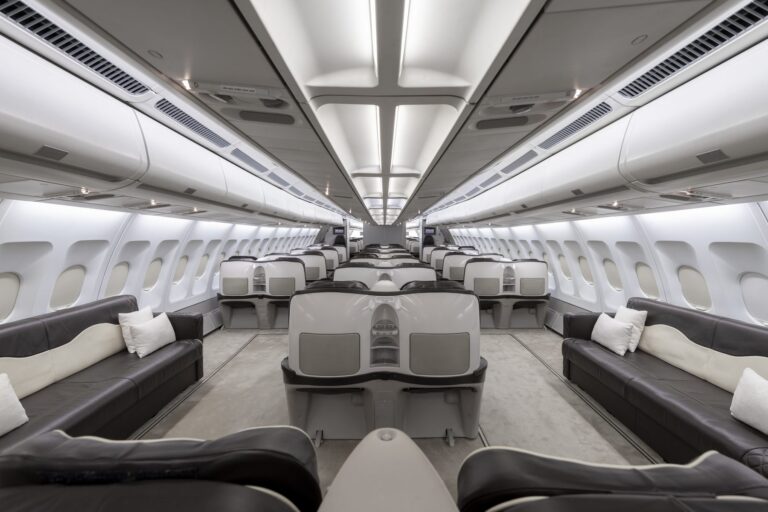
Best Charter Flights for Luxury Safaris: A Definitive Logistics Guide
The integration of private aviation into a high-end safari itinerary is rarely a matter of simple transit; it is the fundamental bridge between the constraints of traditional commercial routing and the unparalleled, often inaccessible, wilderness of the African bush. For the discerning traveler, the safari experience is defined by the seamless transition from the global hub to the remote bush airstrip. The logistical architecture required to support this transition is characterized by unique environmental hazards, specialized infrastructure, and a regulatory landscape that differs significantly from conventional domestic air travel.
Achieving a frictionless transition into the heart of a reserve requires an operational philosophy that prioritizes technical suitability over cabin aesthetics. The most successful safari travel programs are those built upon the selection of aircraft that are physically capable of handling the high-density altitude, unpaved surfaces, and restricted lengths of remote bush runways. This is the domain of the utility aircraft—robust, high-wing, and specifically engineered for the rugged conditions of the savannah.
This guide provides a comprehensive audit framework for identifying the most reliable aerial assets for remote expeditions. By moving beyond the allure of the “private jet” toward a pragmatic evaluation of mission-specific performance, planners can ensure their expeditions are supported by the logistical integrity required to manage the inherent volatility of remote-area travel. This article serves as the definitive reference for those seeking to understand the intersection of extreme wilderness exploration and specialized aviation procurement.
Understanding “best charter flights for luxury safaris”
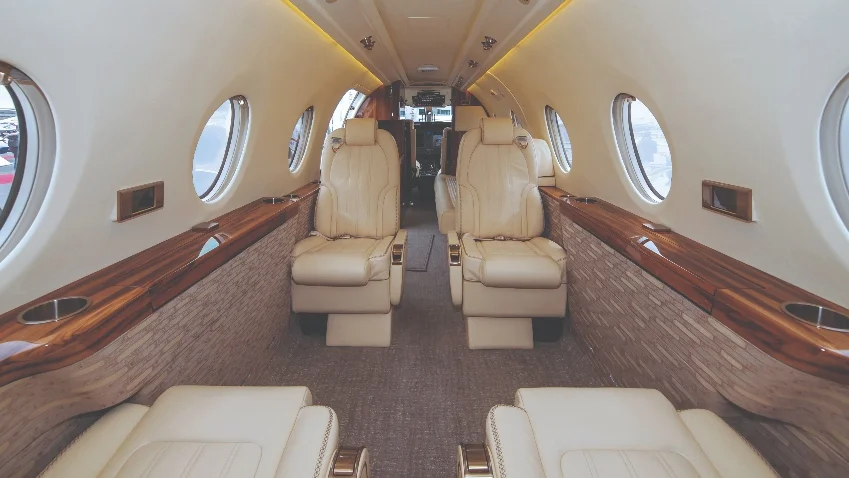
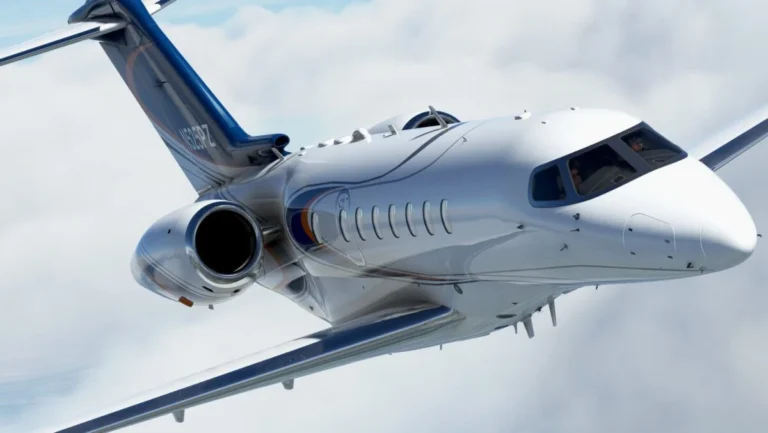
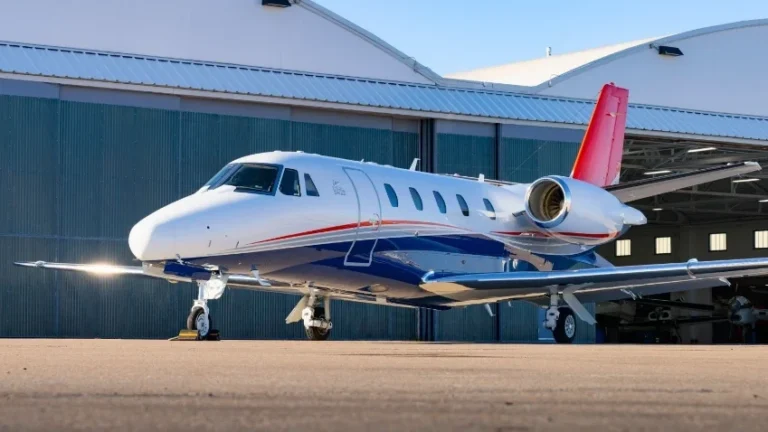
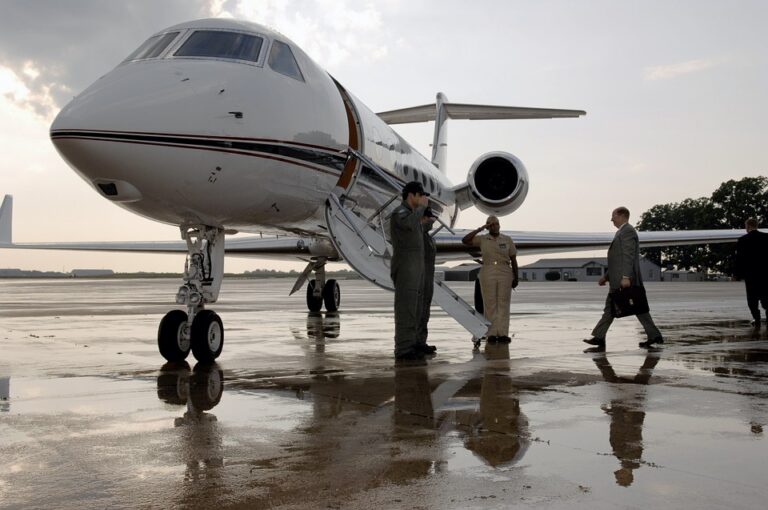
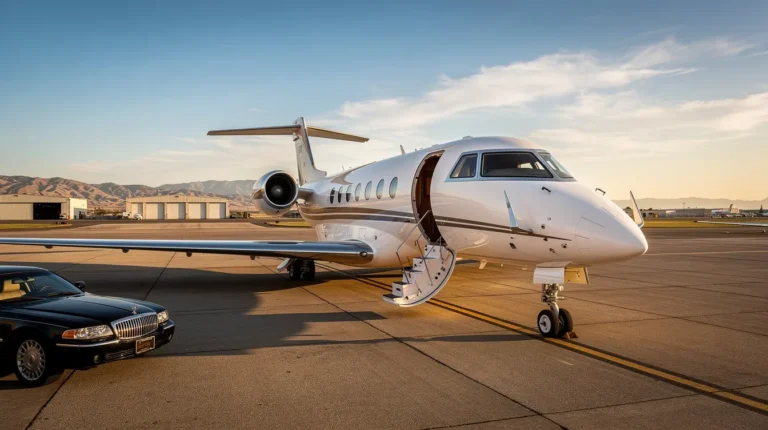
The pursuit of the best charter flights for luxury safaris is frequently undermined by the assumption that the equipment used for urban corporate travel is equally suited for the remote bush. This is a profound error. The standard high-speed business jet, while comfortable for city-to-city transit, is often physically incapable of landing on the short, unimproved, or gravel runways that characterize the world’s most exclusive safari camps. A failure to recognize the divergence between “high-performance” jets and “high-utility” bush aircraft can lead to forced diversions, excessive ground transfers, and a complete degradation of the travel experience.
The true sophistication of a luxury safari logistics plan lies in the “multi-modal” approach. This typically involves flying via long-range, pressurized aircraft to a primary regional hub, followed by a transition into a specialized, low-wing-loading bush aircraft for the final leg into the reserve. Identifying the best charter flights for luxury safaris requires understanding this transition as a critical operational handoff. The planner must ensure that the secondary, bush-based operator is not just a carrier of convenience, but a highly disciplined, safety-vetted organization that operates in accordance with international safety standards, despite the remote nature of their operating environment.
Oversimplification in this sector is a recipe for operational failure. When travelers prioritize cabin volume over runway-performance safety margins, they inadvertently introduce risk into the mission. A robust safari flight plan must account for the density altitude—a factor where heat and elevation combine to reduce engine performance and lengthen the required takeoff and landing distances—which can render a runway unusable even if it looks sufficient on a map.
The Historical Evolution of Safari Aviation
The transformation of the safari from a multi-week, arduous expedition into a refined, efficient experience is a direct consequence of the evolution of light-aircraft utility in the post-colonial era. In the early to mid-20th century, reaching remote reserves was a feat of overland endurance. The introduction of aircraft like the Cessna 206 and the Pilatus PC-6 fundamentally shifted the geography of the safari. These platforms, characterized by their high-wing configuration, rugged landing gear, and simplified mechanical systems, became the silent partners of the emerging high-end tourism industry.
As luxury tourism expanded, the demand for higher comfort levels prompted the introduction of more sophisticated, twin-engine turboprops into the bush. However, the foundational logic remains unchanged: safety in the bush is a function of mechanical simplicity, pilot experience, and the ability to maintain the aircraft without immediate access to complex supply chains. The modern luxury traveler now expects a fusion of this rugged utility with a level of cabin refinement that was unimaginable fifty years ago, forcing operators to innovate while preserving the core performance characteristics that make bush operations possible.
Conceptual Frameworks and Mental Models
Successful procurement of bush aviation requires planners to adopt specific mental models:
The Runway-Performance Margin
This posits that an aircraft should never use more than 70% of a runway’s available length under any given load or density-altitude condition. This creates a critical safety buffer.
The Utility-Lux Dichotomy
This recognizes that the most “luxurious” cabin is often the least “useful” for the bush. The ideal safari aircraft balances cabin comfort with the high-wing, short-field capabilities that allow for access to private, remote airstrips.
The Logistical Redundancy Model
Acknowledging that remote operations are inherently vulnerable, this model requires that every charter plan includes a “Plan B”—a secondary operational capability that can be activated instantly if an aircraft becomes grounded due to a mechanical issue at a remote camp.
Key Categories of Remote-Access Lift
The market for safari-grade aviation is defined by mission-specific airframes.
| Aircraft Class | Best Use Case | Performance Strength | Operational Trade-off |
| Light Utility (Single) | Intimate access, short strips | Superior field performance | Minimal cabin space |
| Twin-Turboprop | Longer range, larger groups | High payload, weather tolerance | Requires longer runways |
| STOL Specialists | Extreme remote exploration | Unmatched field access | Lower cruise speed |
Deciding between these options requires a clear mission profile. A journey that involves island-hopping in the Okavango Delta requires a different set of aircraft capabilities than a cross-country tour through the Serengeti, where the distance between camps demands higher transit speeds.
Detailed Real-World Scenarios
Scenario 1: The Multi-Camp Delta Exploration
A group intends to visit three camps across the Okavango Delta, each with unique runway constraints.
-
Decision Point: Chartering a single dedicated aircraft versus hiring multiple local operators at each node.
-
Constraint: Water-table fluctuations making certain runways soft.
-
Failure Mode: The primary aircraft becomes bogged down, leading to the entire itinerary collapsing. The mitigation is to pre-verify the runway loading capacities for the specific aircraft model chosen.
Scenario 2: The Cross-Savannah Expedition
Moving between remote reserves separated by significant distances.
-
Decision Point: The balance between direct flight paths and the need for refueling.
-
Failure Mode: Choosing an aircraft with marginal range, leading to an unplanned fuel stop in an area without support infrastructure.
-
Second-Order Effect: The frustration of an unplanned refueling delay, which erodes the “luxury” perception of the entire safari experience.
Planning, Cost, and Resource Dynamics
The true cost of the best charter flights for luxury safaris includes the direct operating expenses plus the “insurance” of logistical support.
| Cost Variable | Importance | Management Strategy |
| Positioning (Ferry) Fees | High | Align itineraries with known fleet cycles |
| Landing/Handling Fees | Moderate | Direct management by the safari camp team |
| Crew Logistics | Low | Integrate crew into camp-level logistics |
| Operational Contingency | Critical | Budget for emergency mechanical recovery |
Management must avoid the temptation to cut costs by using the lowest-cost operator, as remote missions provide almost no margin for mechanical failure or pilot inexperience.
Tools, Strategies, and Support Systems
-
The Local Operator Network: Developing relationships with operators who have decades of experience in a specific region, rather than relying on global brokers who lack local situational awareness.
-
Density-Altitude Calculators: Using flight-planning software that specifically accounts for the heat and altitude of the bush to verify every landing-strip calculation.
-
Direct Runway-Load Audits: Ensuring that the aircraft’s landing-gear footprint is appropriate for the surface density of the camp’s private airstrip.
-
Integrated Concierge/Ops: Utilizing a high-end travel coordinator who maintains a direct link between the aircraft captain and the camp manager for real-time runway-condition updates.
Risk Landscape and Failure Modes
The primary failure mode in safari aviation is “the complacency of the familiar.” An operator who has flown into a runway hundreds of times may overlook a subtle change in terrain or grass length. Compounding risks include wildlife intrusion onto the runway, which requires a pre-landing “low-pass” verification that should be an industry-wide mandate but is often skipped for time-efficiency. Selecting the best charter flights for luxury safaris involves requiring a rigid adherence to these safety protocols, regardless of how often the mission has been completed before.
Governance, Maintenance, and Long-Term Adaptation
A safari travel program requires a formal, iterative process for evaluating air-operator partners.
-
Annual Operational Audit: Conducting a formal review of the operator’s safety culture, maintenance records, and pilot-training logs.
-
Feedback Loops: Implementing a mandatory “debriefing” after each expedition to document even minor discrepancies or service anomalies.
-
Layered Checklist: Establishing a strict protocol for every flight: runway inspection, weather-window verification, aircraft weight-and-balance compliance, and life-support (fuel/emergency-kit) checks.
Measurement, Tracking, and Evaluation
-
Operational Continuity Rate: Tracking the percentage of safari legs completed as scheduled, without the need for unplanned aircraft substitution.
-
Logistical Friction Score: An internal metric evaluating the time spent on ground-based delays (fueling, waiting for customs, runway clearing).
-
Safety Observation Logs: Documenting any “near-misses,” such as runway debris or wildlife interference, to improve future planning.
Common Misconceptions and Oversimplifications
-
Myth: “Chartering a large jet is the best way to travel to a safari.” Correction: Large jets often require multi-hour road transfers; smaller, purpose-built bush aircraft provide direct access, saving days of travel time.
-
Myth: “Bush flying is inherently unsafe.” Correction: Modern, disciplined operators follow strict safety protocols that make it highly reliable; it is the “cowboy” operators that represent the risk.
-
Myth: “One pilot is enough.” Correction: For complex itineraries with long duty days, the addition of a second pilot significantly increases the safety margin and logistical flexibility.
Ethical, Practical, and Contextual Considerations
The ethics of luxury safari aviation require a deep commitment to the environment and the local communities. Operators who are truly the best charter flights for luxury safaris invest in quiet-technology aircraft to minimize the disturbance to wildlife and support local conservation efforts through sustainable flight paths and community-based training programs. The modern traveler should seek operators whose presence in the bush is as beneficial to the ecosystem as it is to the convenience of the passenger.
Conclusion
The selection of the best charter flights for luxury safaris is an exercise in balancing extreme wild-environment performance with the refined standards of global luxury. By prioritizing technical aircraft suitability, logistical discipline, and an operator’s deep regional expertise, planners can transform a potentially chaotic transit process into an essential, elevating component of the safari experience. Success in this field is found not in the sheer cost of the flight, but in the meticulousness of the preparation, the robustness of the aircraft selected, and the unwavering prioritization of safety in the most demanding flight environments on Earth. Through rigorous audit-based procurement, the wild remains accessible, and the mission remains secure.