Top Island Charter Flights in America: A Comprehensive Logistics Guide
The logistics of island-accessible aviation represent one of the most specialized domains in private transit, characterized by a unique intersection of maritime meteorology, restrictive runway geometry, and the absolute necessity for dispatch reliability. For the executive traveler or the institutional planner, the objective is rarely just transport; it is the execution of a mission that must account for the inherent volatility of coastal environments. Unlike inland hub-to-hub travel, where infrastructure redundancy is the norm, island transit often involves negotiating with short, salt-air-exposed runways and rapidly shifting weather patterns that can close access windows with little notice.
True mastery of this sector requires a departure from the “procurement-as-a-transaction” mindset. One does not simply book a flight to a barrier island or an offshore archipelago; one manages a logistical chain that is only as strong as its most vulnerable link. Success in this domain relies on a sophisticated understanding of aircraft performance—specifically, the ability of an airframe to manage high-density altitude during takeoff and the technical capacity to handle crosswinds that are endemic to coastal geography.
This pillar article provides a rigorous methodology for evaluating aviation partners. It is written for those who require more than surface-level advice, offering an analytical framework for identifying providers who possess the operational maturity to handle the nuances of coastal aviation. By moving beyond the aesthetic appeal of a private jet toward a data-driven evaluation of maintenance, safety, and logistical capability, planners can secure a travel program that is as resilient as it is efficient.
Understanding “top island charter flights in america”
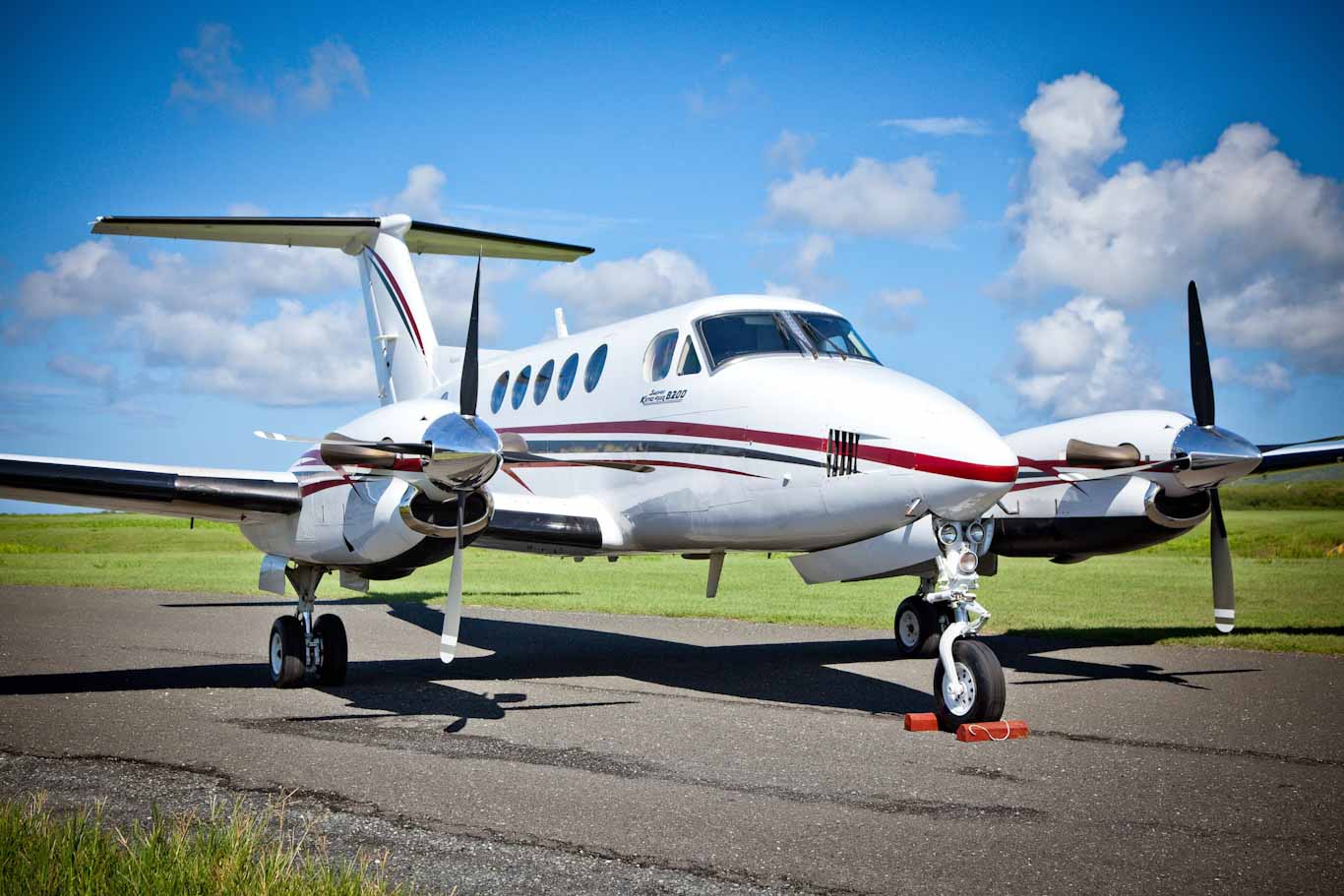
Identifying the top island charter flights in america is primarily an exercise in identifying operators who understand the “micro-climate” risk of their specific geography. A common misunderstanding is the belief that because an aircraft is “private,” it is immune to the logistical bottlenecks that plague island transit. In reality, the physical constraints of island airstrips—often limited in length, lacking precision approach instrumentation, and susceptible to sudden sea-mist—create a high-risk operating environment that demands a specific class of pilot experience and aircraft capability.
Oversimplification poses a significant danger here. When planners view island transit through the lens of pure range or speed, they often overlook the “field-performance” requirement. An aircraft that can easily fly coast-to-coast may be physically unable to land on the 3,000-foot gravel or asphalt strip that serves the destination. Effective logistics require a deep dive into the aircraft’s landing-performance manual and the operator’s historical success rate with that specific destination under adverse conditions.
Furthermore, true reliability is often found in the operator’s relationship with the local ground-handling community. Island runways often lack the sophisticated services of mainland FBOs; therefore, the operator must have a pre-existing, robust communication loop with local stakeholders who can provide real-time updates on runway conditions, wind shear, and emergency support. Those attempting to identify the top island charter flights in america without auditing this local-integration layer often find themselves stranded when the environment shifts.
The Historical Evolution of Coastal Aviation
The development of island-accessible aviation has evolved from the era of regional seaplanes—which dominated early coastal logistics—to the current era of pressurized turboprops and high-performance light jets. In the mid-20th century, the geography of the American islands was bridged by utilitarian, often erratic air services. As the economy grew, so did the demand for connectivity that bridged the gap between mainland metropolitan centers and island enclaves.
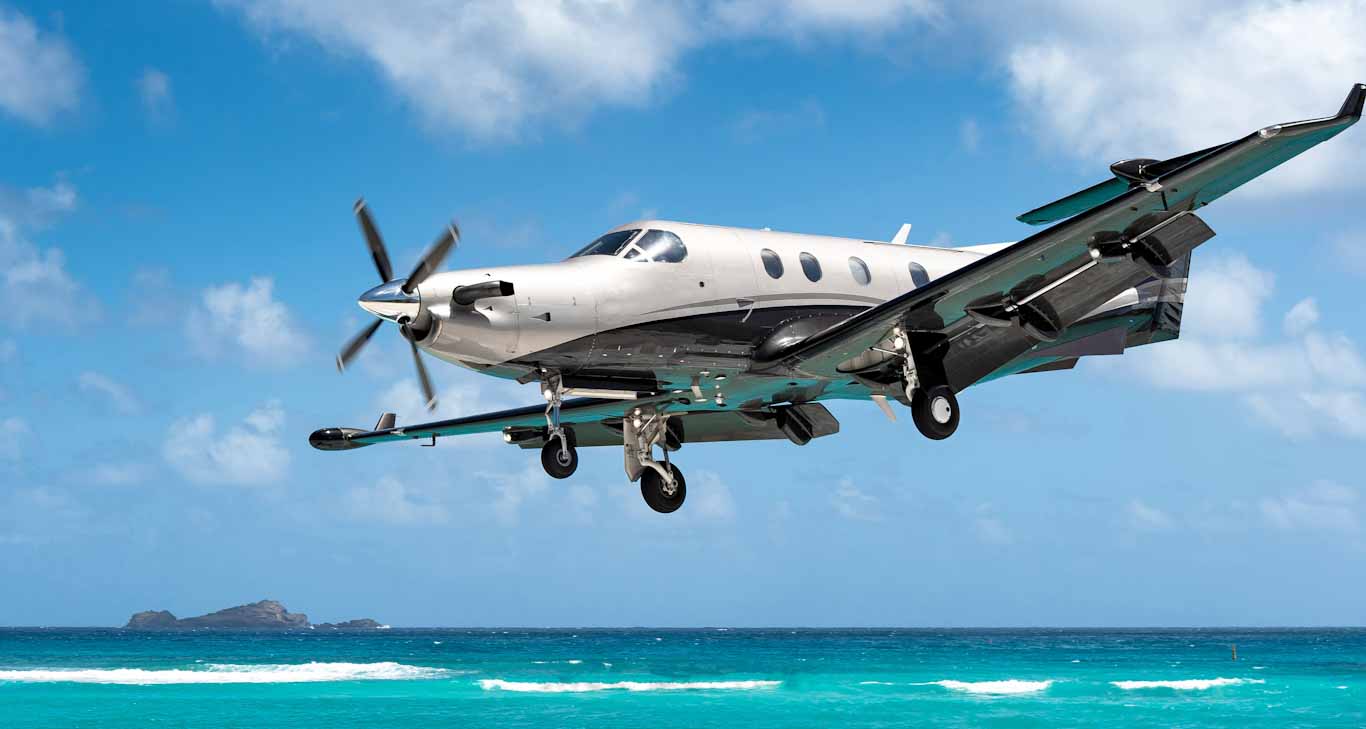
The technological shift toward pressurized, turbine-powered aircraft fundamentally altered the reliability of this transit. However, this progress brought new challenges. Modern, high-performance aircraft require better runways than their predecessors, creating a tension between the need for speed and the reality of aging, limited island infrastructure. Today, we are in a mature phase where the most successful operators have adopted “specialized-fleet” strategies, where the aircraft and the crew are specifically curated for the unique performance demands of their regional islands.
Conceptual Frameworks and Mental Models
To evaluate providers, planners must adopt frameworks that look beyond the surface of the aircraft and into the operational culture.
-
The Coastal Resilience Model: This evaluates whether the operator has a secondary, land-based backup plan that can be activated if the island runway becomes inaccessible due to low ceilings or mechanical issues.
-
The Runway-Footprint Constraint: Every island mission is defined by the runway’s geometry. This model assesses if the operator has a standardized performance-audit protocol that verifies, before every booking, that the selected aircraft can operate with a 30% safety margin on the destination strip.
-
The Integration-Depth Framework: This evaluates the degree to which an operator maintains relationships with local, on-island resources, ensuring that a mechanical issue doesn’t become a multi-day ordeal due to a lack of local support.
Key Categories and Operational Variations
The industry categorizes island transit based on distance, runway access, and group size.
| Category | Typical Mission | Primary Requirement | Trade-offs |
| Short-Field Utility | Island-to-island | STOL performance | Minimal comfort |
| Turboprop Express | Regional mainland-to-island | High field-performance | Lower cruise speed |
| Light-Jet Coastal | Hub-to-island | Speed, pressurization | Requires longer runways |
| Amphibious/Float | Water-landing transit | Unique versatility | Weather-dependent |
Choosing the top island charter flights in america requires correctly mapping the mission’s required utility to the local reality. Selecting a light-jet for a short, unpaved island runway is not just a service error; it is a fundamental safety miscalculation.
Detailed Real-World Scenarios
Scenario 1: The Barrier Island Weekend
A high-net-worth traveler requires transport to a barrier island with a short, challenging runway.
-
Constraint: Minimal luggage space, high demand for immediate departure.
-
Decision Point: Choosing a dedicated, small-field-optimized turboprop rather than a regional light jet.
-
Failure Mode: The light jet arrives, realizes the runway is wet/soft, and diverts to a mainland airport, necessitating a two-hour ferry ride that defeats the purpose of the charter.
Scenario 2: The Multi-Island Corporate Expedition
A team must visit three islands in a single day.
-
Constraint: Rapid turnaround, specific runway access limits.
-
Decision Point: The operator’s ability to “wait-and-return” with the aircraft on the ground.
-
Second-Order Effect: By retaining the aircraft, the group avoids the catastrophic risk of a single leg failure causing the entire trip to disintegrate.
Planning, Cost, and Resource Dynamics
The economic management of island aviation requires a granular understanding of direct and indirect costs.
| Expense Component | Relative Cost | Risk Impact |
| Positioning (Ferry) Fees | High | Extreme (if not optimized) |
| Landing/Handling Fees | Moderate | High (often non-standard) |
| Mechanical Contingency | Moderate | Very High |
| Ground-Transfer Coordination | Low | Moderate |
It is a common error to view charter costs in a vacuum. The most expensive operator is often the most economical when factoring in the cost of “mission failure”—the hotel rooms, missed business, and logistical headaches that occur when a lower-tier operator cannot fulfill their promise in a challenging coastal environment.
Tools, Strategies, and Support Systems
-
The Local-Knowledge Audit: Explicitly asking operators for their “runway-history” at the specific island destination.
-
Weather-Margin Verification: Requiring the pilot-in-command to confirm, 24 hours prior, that the projected weather meets the runway’s specific landing minimums.
-
Insurance Handoffs: Ensuring the operator’s insurance coverage specifically includes the unique risks of coastal, short-field operations.
-
Integrated Concierge/Ops: Utilizing a high-end travel coordinator who maintains a direct link between the aircraft captain and the island resort/private-home manager.
Risk Landscape and Failure Modes
The primary failure mode in island aviation is “the complacency of the familiar.” An operator who has flown into a coastal strip dozens of times may overlook a subtle change in sand-shifting or erosion. Compounding risks include salt-air corrosion, which significantly accelerates mechanical wear; therefore, the most reliable operators are those with rigorous, frequent, and specialized maintenance programs for their coastal fleet. Evaluating the top island charter flights in america requires ensuring the provider takes full accountability for the physical health of their airframe.
Governance, Maintenance, and Long-Term Adaptation
Organizations that rely on island transit must treat their aviation partners as long-term stakeholders.
-
Operational Transparency: Requesting annual updates on the operator’s maintenance compliance for their coastal-specific aircraft.
-
Feedback Loops: For repeat travelers, establishing a formal post-mission debriefing process to evaluate performance against the island-specific challenges.
-
Layered Checklist: A mandatory, multi-step verification process for every mission: runway load-capacity check, specific wind-speed limitation verification, and current pilot currency for the island’s unique approach.
Measurement, Tracking, and Evaluation
-
Coastal Reliability Index: The percentage of flights where the aircraft arrived at the destination runway as planned, without weather or technical diversion.
-
Logistical Friction Score: An internal assessment of how much ground-based coordination was required to bridge the gap from runway to home.
-
Technical Compliance Rate: The percentage of flights where the operator utilized the pre-agreed upon equipment and safety protocols.
Common Misconceptions and Oversimplifications
-
Myth: “Any private jet can land at any island airport.” Correction: Most islands have stringent length and load-bearing requirements that exclude the majority of the corporate jet fleet.
-
Myth: “Island flights are just like mainland flights.” Correction: Coastal environments introduce micro-climate variables that require a distinct, more cautious approach to flight planning.
-
Myth: “The broker knows the island better than the pilot.” Correction: The pilot-in-command’s experience on the specific runway is the only data point that truly matters for safety.
Ethical, Practical, and Contextual Considerations
The practical realities of island aviation include a responsibility toward the fragile ecosystems being traversed. Operators who represent the top island charter flights in america often integrate noise-abatement flight paths and minimized-impact procedures to protect the local environment. Choosing an operator that prioritizes sustainable and low-impact operations is not just an ethical decision; it is a practical one, as it ensures long-term access to sensitive island destinations by avoiding community pushback.
Conclusion
The selection of the top island charter flights in america is an exercise in balancing the desire for seamless transit with the uncompromising realities of coastal geography and infrastructure limitations. By prioritizing technical performance, regional experience, and logistical integrity over the allure of mere comfort, planners can ensure their aviation program serves as a reliable bridge to even the most remote and challenging destinations. Excellence in coastal aviation is defined by a discipline that accounts for the environment, the mechanics, and the mission as a single, integrated whole.